
Your roof is one of the most critical components of your home, protecting your family, belongings, and investment from the elements. Choosing the right roof and installing it properly is essential for durability, energy efficiency, and aesthetic appeal. Whether you’re building a new home, replacing an old roof, or upgrading for energy savings, understanding the types of roofs, materials, and installation techniques is crucial. This guide covers everything you need to know about roof installation, including material options, professional installation benefits, cost considerations, and maintenance tips to ensure your roof lasts for decades. By the end, you’ll be equipped to make informed decisions and enjoy a strong, beautiful roof for years to come.
1. Understanding Roof Types
-
Asphalt Shingles: Popular for affordability and versatility, asphalt shingles are durable and come in various colors and styles.
-
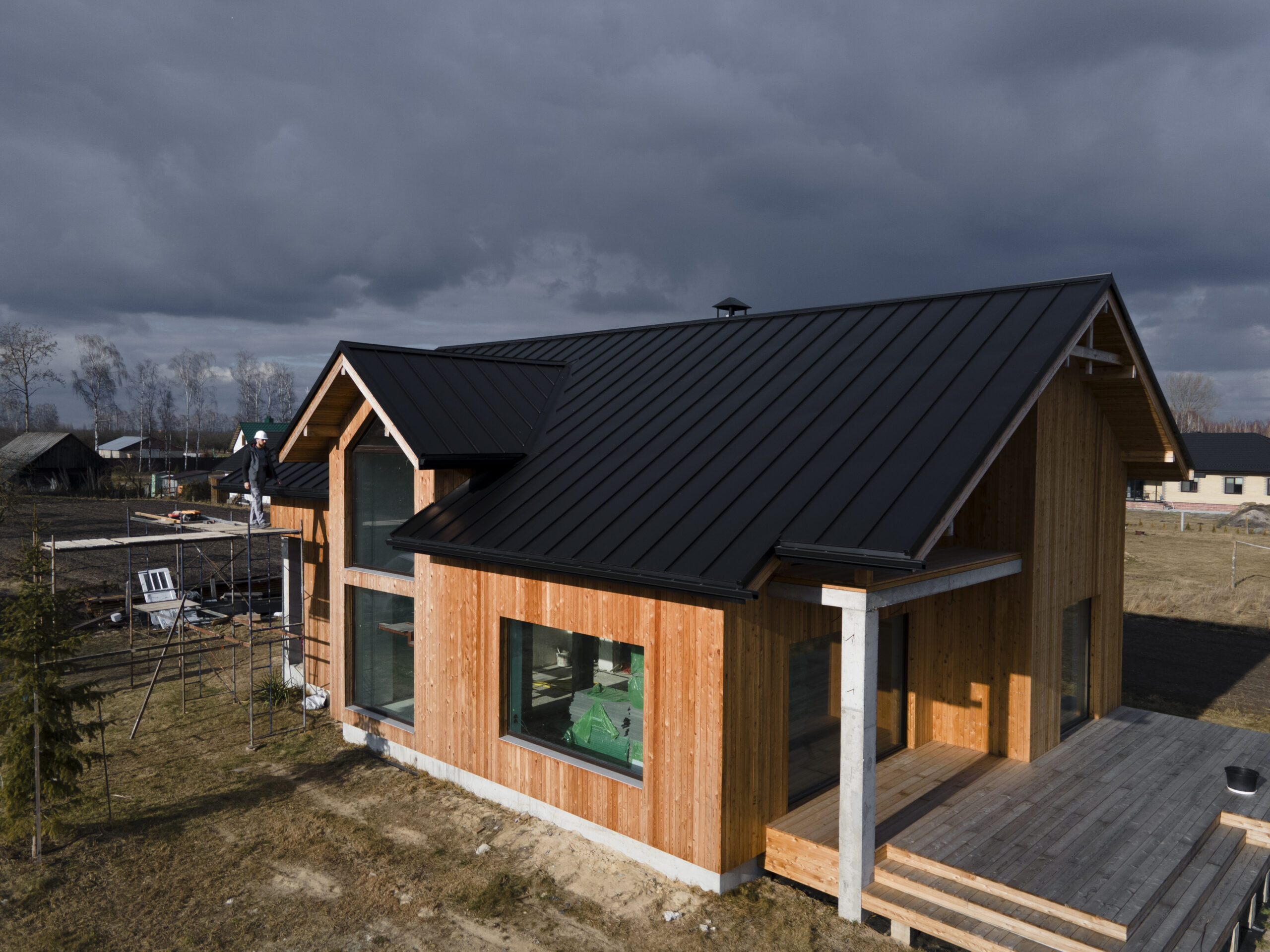
Metal Roofing: Long-lasting, energy-efficient, and resistant to extreme weather, ideal for modern and coastal homes.
-
Tile Roofing: Clay or concrete tiles offer elegance, durability, and excellent protection against the elements.
-
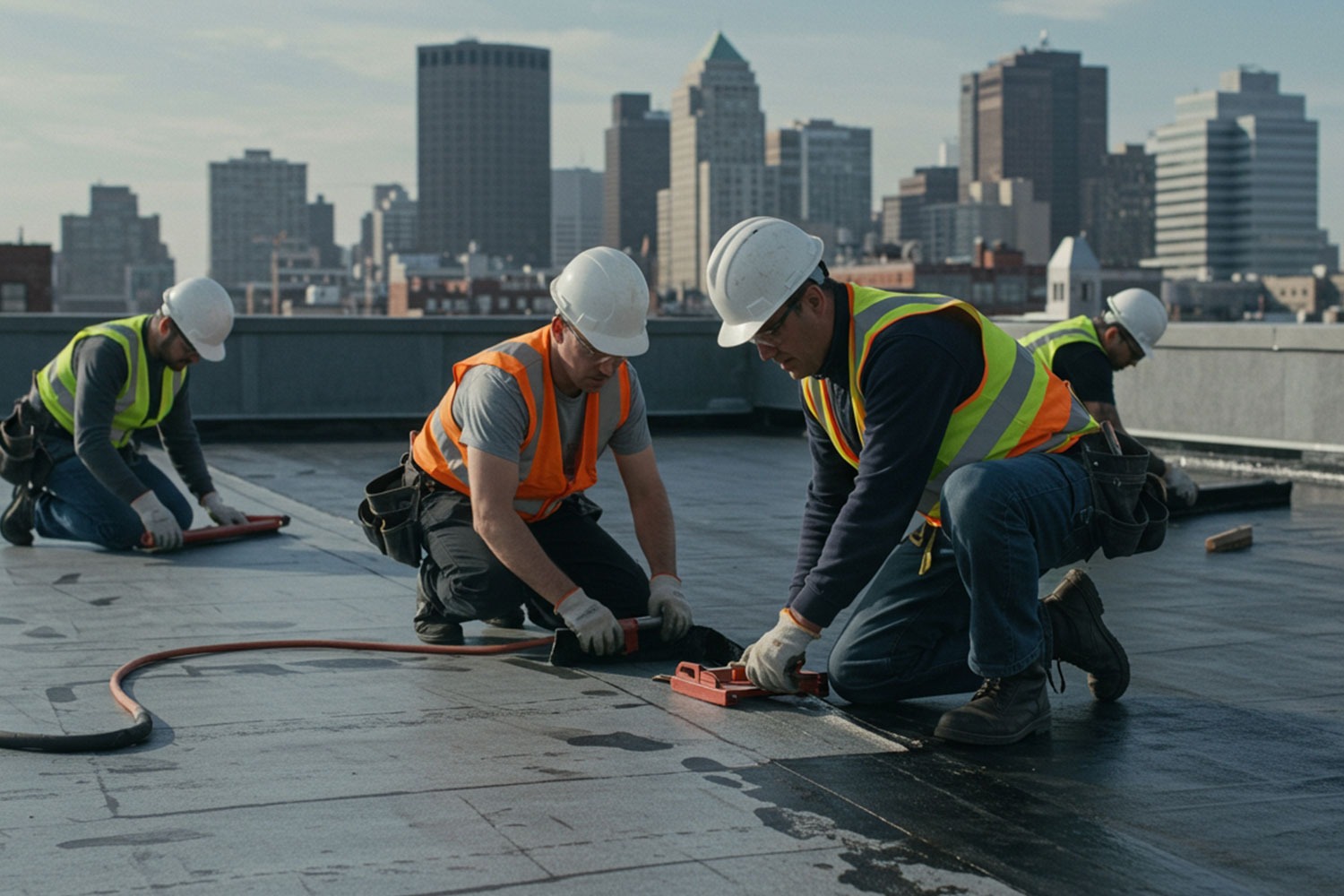
Flat Roofs: Often used for commercial or modern residential designs, requiring waterproof membranes for proper protection.
2. Factors to Consider Before Installation
-
Climate: Choose materials suitable for local weather conditions, including storms, heat, or humidity.
-
Budget: Compare material and installation costs versus long-term durability and maintenance.
-
Aesthetics: Consider the style of your home to select materials that enhance curb appeal.
-
Energy Efficiency: Some materials, like metal and tile, can reflect heat and reduce cooling costs.
3. Benefits of Professional Roof Installation
-
Expert assessment of structural integrity
-
Proper installation techniques for longevity
-
Access to high-quality materials and warranties
-
Safety for your home and workers
4. The Roof Installation Process
-
Initial consultation and assessment
-
Material selection and project planning
-
Removal of old roofing (if replacing)
-
Installation of underlayment, flashing, and roofing materials
-
Final inspection and quality assurance
5. Common Mistakes to Avoid
-
DIY installation without experience
-
Using substandard materials
-
Ignoring proper ventilation
-
Skipping inspection of structural issues
6. Maintenance Tips After Installation
-
Regular inspections and cleaning
-
Minor repairs to prevent leaks
-
Gutter maintenance and debris removal
-
Seasonal checkups for storm-prone areas
Conclusion:
Proper roof installation is vital for the safety, efficiency, and beauty of your home. Choosing the right material, hiring experienced professionals, and maintaining your roof ensures a long-lasting investment. From asphalt shingles to tile and metal roofing, each option has unique benefits to meet your needs. By understanding the installation process, avoiding common mistakes, and performing regular maintenance, you can enjoy a strong, durable roof that enhances your home’s value and protects your family for years to come.